- This photo feature tells that by
visiting the Angkor National Museum before experiencing Angkor Wat, a visitor
carries with them an interpretive lens, able to read axis, enclosure, water,
and elevation as deliberate components of a sacred urban system. See
images of Lingas, Vishnu, Buddha, Kartikeya, Ganesh.
The Angkor National Museum offers a powerful visual and intellectual
gateway into the world of Angkor- where temples are not merely monuments, but
cosmological diagrams carved in stone.
A
Contemporary Threshold to an Ancient World
Unlike the quiet antiquity of
traditional museums, Angkor National Museum adopts a modern architectural
language.
The museum’s modern architectural expression is deliberately restrained- clean lines, controlled lighting, clean geometries, well-thought-out circulation, and immersive galleries. These prepare the visitor for a narrative-driven journey into Khmer civilisation.
This contemporary envelope does not compete with Angkor; instead, it acts as a neutral frame, gradually tuning the visitor’s mind from the present into the temporal depth of the past. The spatial sequencing mirrors a ritual progression, preparing one for the monumental experience of the temples beyond.
Gods before
Temples
The narrative wisely begins with
divinity, foregrounding the Indic cosmological framework that shaped Khmer
kingship and sacred space.
Vishnu, Shiva, Brahma, and their
manifestations appear not as isolated icons, but as living presences that
shaped kingship, ritual, and urban form. Sculpture here is theology made tangible.
Vishnu, Shiva, Brahma, and Bodhisattva
forms appear as ideological anchors
rather than decorative icons.
These sculptures make it clear
that Angkor was conceived as a metaphysical
landscape- where temples, cities, and
reservoirs emerged as material expressions of cosmic order.
Angkor
Explained, Not Just Displayed
Detailed panels,
reconstructions, and digital storytelling decode Angkor Wat, Angkor Thom,
Bayon, and other temple complexes, revealing how cosmology, astronomy,
hydraulics, and politics converged in sacred architecture.
Interpretive panels, scaled
models, and digital reconstructions allow Angkor to be read rather than merely
admired. The museum decodes how astronomy, hydraulics, ritual movement, and
royal authority converged in complexes such as Angkor Wat, Angkor Thom, and
Bayon.
Architecture is revealed as an applied science of
belief- precise, intentional, and deeply symbolic.
The original name of Angkor Wat was Param Vishnu Lok. It was created by Khmer King Suryavarman II, in the 12th century. When Buddhism became more followed in Cambodia, the name was changed to Angkor Wat. The word Wat means Buddhist monastery or temple in Cambodia/Thailand. Thus, Buddha’s murty replaced Lord Vishnu’s in the sanctum. Today, both are seen.
Angkor
Wat Model & Audio-Visual Experience
The detailed scale model of
Angkor Wat reveals the temple as a precise cosmic diagram, allowing one to
grasp its geometry, axis, and symbolism at a glance. The accompanying
audio-visual film brings this stone mandala to life, weaving architecture,
myth, and history into a lucid, immersive narrative.
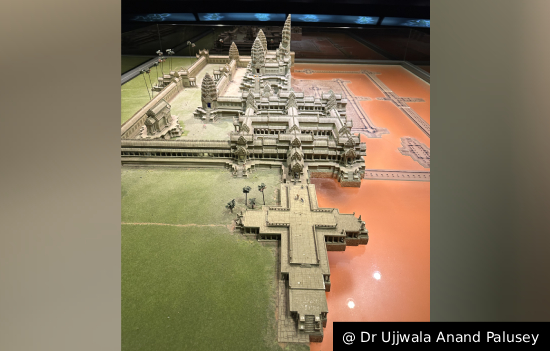 This half-cut model of Angkor Wat, with the backdrop of a short movie on Angkor, give an interactive experience to the visitor.
Stone
Faces, Inner Stillness
The serene faces of Avalokiteshvara-style sculptures echo the calm authority of Jayavarman VII’s vision- where compassion, power, and universality merge into a single expression.
From
Museum to Temple City
This museum does not replace
Angkor; it prepares you for it. After these galleries, the temples outside are
no longer ruins, you recognize them as living texts of philosophy, devotion,
and statecraft.
When one exits the museum, Angkor is no longer
perceived as a collection of ruins.
The visitor carries with them an interpretive lens, able to read axis,
enclosure, water, and elevation as deliberate components of a sacred urban
system. The museum thus functions as a prologue, ensuring that the encounter
with Angkor becomes informed, reflective, and transformative.
Angkor National Museum is an invocation, not a conclusion. A visual prologue to one of humanity’s greatest sacred landscapes.
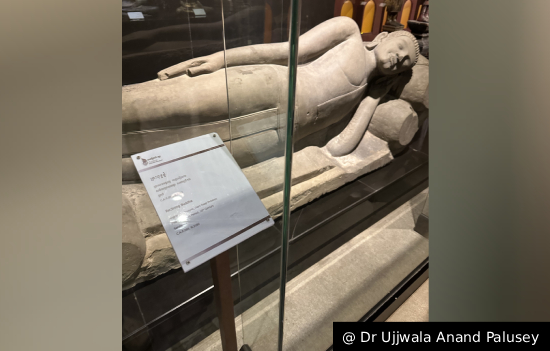 Buddha Angkor region in the 1000 Buddha gallery.
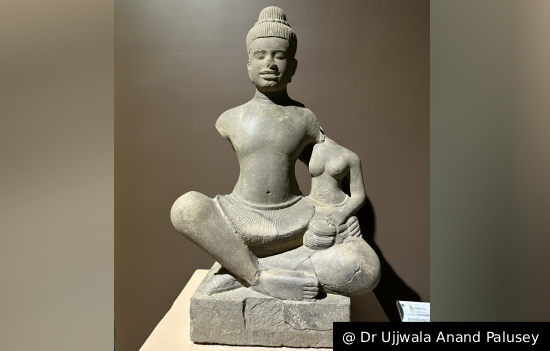 Uma Mahesh. Angkor period. Angkor region.
 A unique stone with 1000 Vishnu images with Vishnu on Garuda on one side. Each side of the stone shows a different aspect of Vishnu.
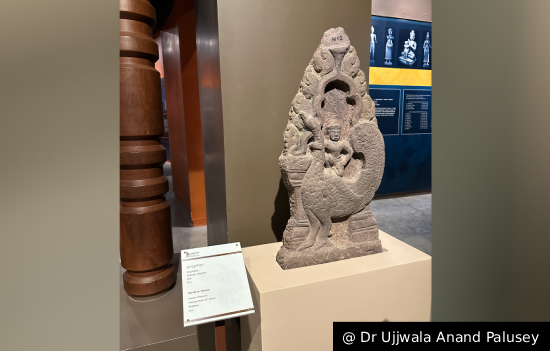 Kartikeya, Khmer version, Angkor region. On Peacock 11th century.
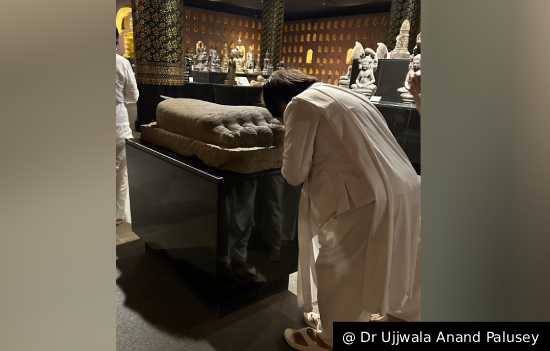 The devotion and belief of people make this museum more than just a collection of artifacts.
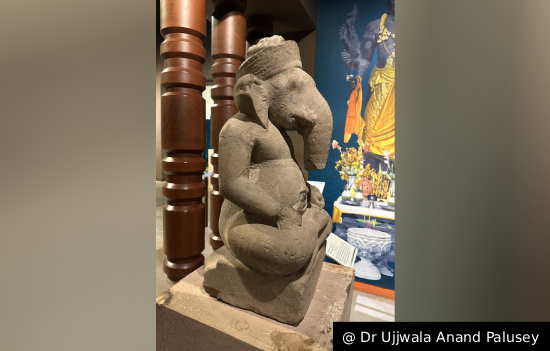 Ganesh. Angkor period. Angkor region.
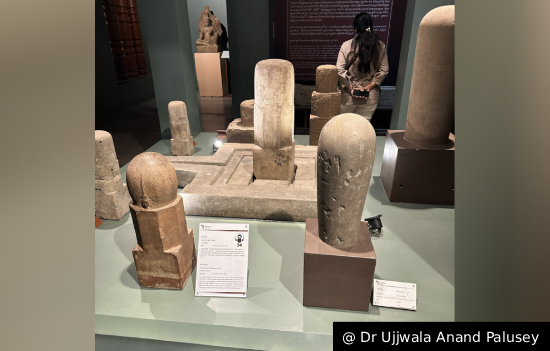 Shiva Lingas found across the Angkor region.
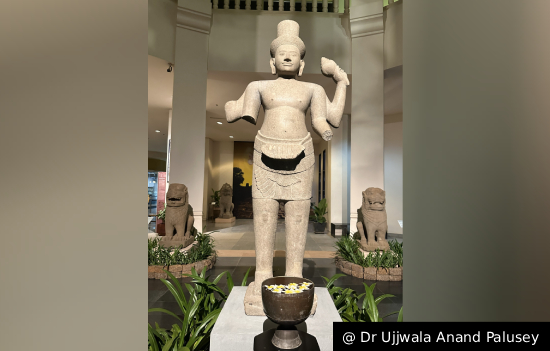
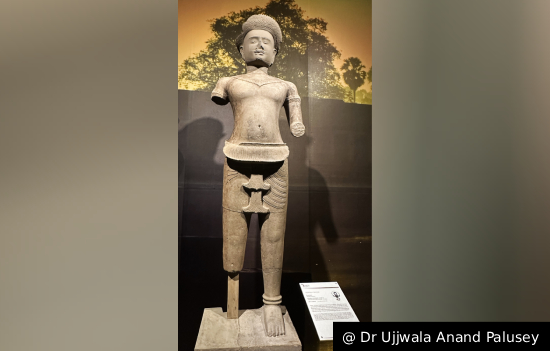 Statue found in Angkor region. Similar to statues of Suryavarman II.
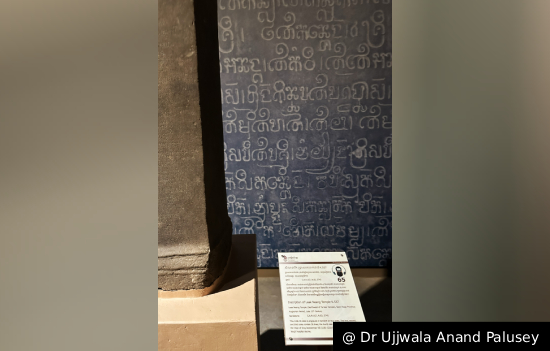 The 11th century stone is engraved in Sanskrit on 4 sides during reign of King Jayvarman VII (1181-1218) this inscription best describes the King’s hospital decree.
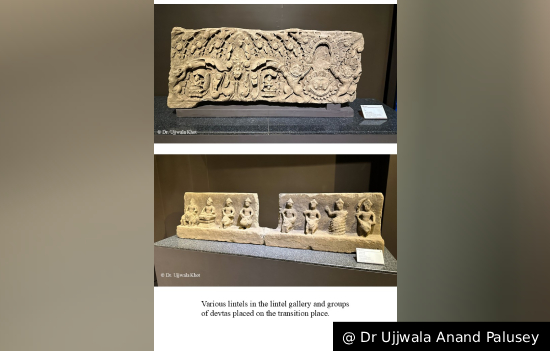 Various lintels in the lintel gallery and groups of Devatas placed on the transition place.
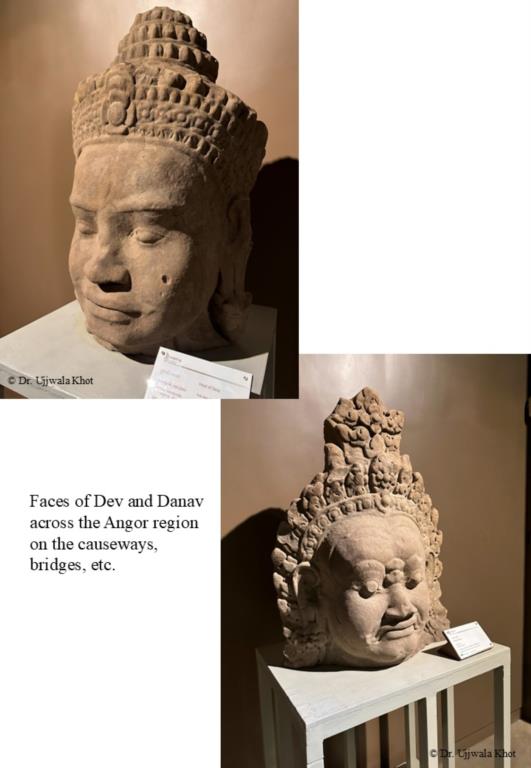 Faces of Dev and Danav across the Angkor region on the causeways bridges etc.
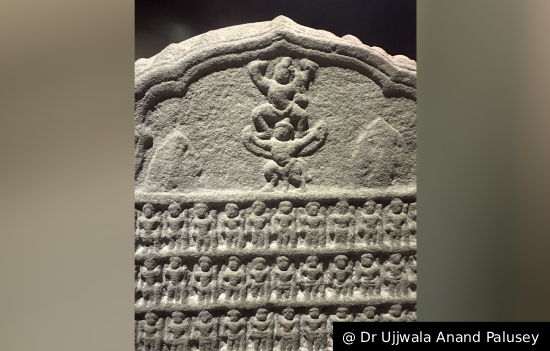 Vishnu on Garuda. A unique stone with 1000 Vishnu images. Each shows a different aspect of Vishnu.
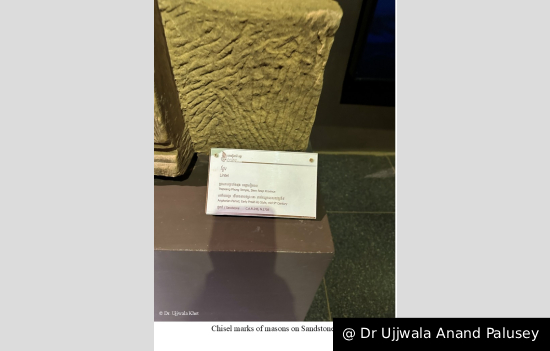 Chisel marks of sandstone.
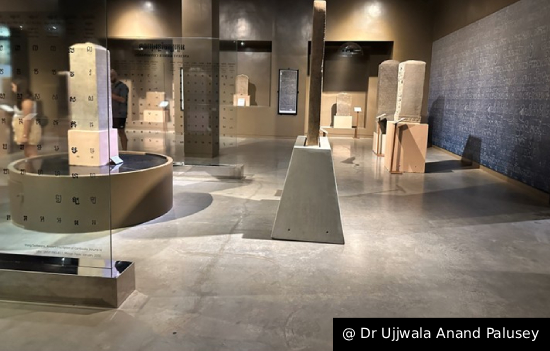 Stella stone with the evolution of the script shows development chronologically.
The author is a Conservationist, Architectural historian, Author, Ph.
D. in Dravidian and Khmer temple Architecture, Cambodia and the Founder of
Samrachanā - Heritage Conservation & Research Initiative, Pune.
Copyright article and pictures with author. Please do not republish without written permission of www.esamskriti.com
To read all articles by author
Also read
1. Ramayana in Cambodia by author
2. Saiva Temples in Cambodia
3. The
India Cambodia connection by late Smt Vimla Patil
4. Six Days of Indic Heritage in Cambodia by D Bhatnagar
5. Space and Cosmology in Angkor Watt by Subhash Kak
To see albums of temples
in Cambodia
1. Angkor Watt
2. Banteay Sri
3. Prea Ko
4. Hindu Temples Bangkok