- The Indian Medlar Tree or Bakul is known for its
fragrance, multiple benefits and spiritual significance. The bark and leaf
extract have medical benefits while flowers are used to make attar.
If you feel the best floral fragrance is jasmine and gardenia species…then you are missing out BAKUL! This is a less known flower but surprisingly its stronger and sweeter than jasmine. You will feel the divine aroma from far off and surely attract you towards the tree. Bakul is commonly called the Indian medlar tree and even after the flowers are dried, they don’t leave the fragrance for days together making it a truly spiritual presence.
Its Indian common names are Bakul
in Sanskrit, Bakuli in Marathi, Maulsari in Hindi, Barsoli
n Gujarati, Elanchi in Malayalam, whereas English common names are
Spanish, cherry and bullet wood tree.
Mimusops elengi trees are evergreen and found
in tropical forests of Australia, South Asia and Southeast Asia particularly
Indian sub-continents. Mostly planted as ornamental trees due to its perfect
medium size, thick shade and fragrance.
Bakul is considered as the regional tree of Malaysia and
Thailand. It
a drought tolerant tree hence making it easy for maintenance.
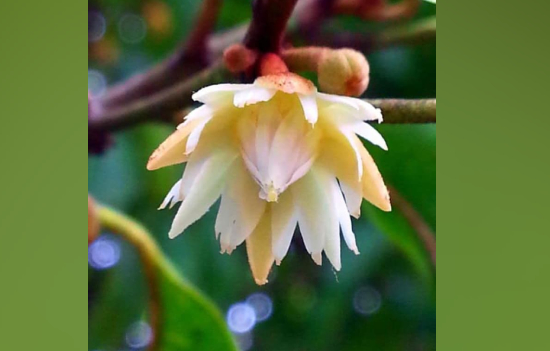
These star shaped flowers bloom
from March to June and usually bears fruits from May to July. In warmer regions
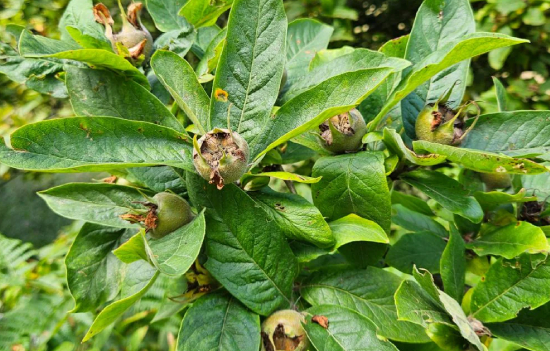
this can extend till mid-August. Bakul tree has oval shaped glossy dark green leaves
having pulpy fruits of brownish orange and yellow colour. These heavily scented
cream-coloured flowers are small with tiny hair and they look pretty when
fallen on the ground covering a vast area underneath the tree.
The blackish brown seeds of
Bakul are easy to germinate and appear similar to a custard apple. The wood is
very sturdy and dark red in colour, often used as timber.
In some regions, chutney is prepared with
the ripe fruits combined with jaggery. The fruits are sun-dried for long-term
use. The aromatic flowers are traditionally used for cooling drinks and to give
a fragrance in drinking water. Due to its soft sandalwood type aroma, it is used
in exotic Arabian scents and perfumeries.
Kannuaj in India is the
capital of distilleries where attars from flowers have been prepared for
years using the “deg bhapka”
method, a traditional hydro distillation process. Here flowers are placed in a
huge copper pot, sealed with river clay and cotton. Later the steam turns into
a liquid oil that is collected.
Indians, Greeks and Romans
have recognized the medicinal purpose of fruits since ancient times and used
for treating ailments and beauty products. In Thailand, the seeds are dried to
create infusion to add in green tea. The fruit is used in jams, jellies and
wines due to its sweet taste when ripe. It is harvested from the tree when it
is hard and left for a ripening process known as bletting.
Bakul fruits have high levels of phenolic compounds found
(organic molecules) potential as a functional food (probiotic and fibrous)
according a study published in the Journal of Agricultural and Food
Chemistry.
Its nutrients are composed with antioxidants,
vitamins A and C to help improve immune system, digestion and
skin. Anti-oxidants help relieve stress. Its
bark, flowers, leaves and fruits are meant to treat gum diseases, mouth ulcers
and diarrhea. Powders and infusions are used to cure sinus, fever and
headaches.
The bark and leaf extract is
said to heal joint pain and swelling. It also helps in cough, throat infections and bronchitis. Bark
paste is used for skin infections, ulcers and wounds as it has a potential to
stop bleeding and promotes fast healing. Overall, it is anti-inflammatory and anti-bacterial. The extract are also used in daily skin routine products for
skin nourishment.
Bakul has a spiritual significance in India and Nepal…Bakul is another name for Lord Shiva
and used widely to prepare traditional garlands. Besides being offered to lord Vishnu and his incarnations so has religious
significance. It is said that Sudama, a friend of Lord Krishna rested under Bakul tree before he went to meet him. According
to ancient text Lord Krishna played flute under the Bakul tree shade for Gopis, the milkmaids.
Bakul is associated with peace and devotion and often seen planted near
temples courtyards and used in worship. This divine tree is mentioned in the Bhagavata Puran as symbol of purity, sanctity
and love. Goddess Durga is said to reside in the Bakul forests on a full moon
day. Besides temples, we can spot these beauties in ashrams and sacred groves
to uplift spiritualty, calm the mind and help meditation.
Unlike other flowers, Bakul
and Parijat are one of the flowers which are collected from ground fallen from
the tree and used for worship of deities because of their sacred and spiritual
relevance. You will see these sacred trees also mentioned in Ramayana,
Mahabharata and Puranas.
So, if you have not spotted
this revered tree yet; whenever you go out in temples, forests, ashrams or
meditation centers then do look out for Bakul and enjoy the fragrance, admire
the foliage, the flowers and its transcendence.
Caution: These are traditional healing methods are
used in remote areas as modern clinical evidence is still limited. It should
not replace prescribed medical treatment. Pregnant women, children, and people
with chronic illness should consult a healthcare professional before use. Further,
seeds inside fruits should not be eaten.
To read all
articles by author
Other articles on Trees by author Moringa, MAHUA, Karanj and Banyan Tree
References
1. https://en.wikipedia.org/wiki/Mimusops_elengi
2. https://growbilliontrees.com/blogs/tree-stories/indian-medlar-tree-unlocking-the-secrets-of-nature-s-hidden-gem-for-health-and-beauty?srsltid=AfmBOoodY94RFRkXdVNDDkIDLkozCKejsyKNVE5BZd4aUEAhKleszZ0x#fullcontent
3. Google Search
4. https://www.attarkannauj.com/product-page/bakul-attar-499
5. RaahiParfums.com