- There is more to Guptkashi than
being a base for Kedarnath helicopter services. Know about key temples that you
can visit in Guptkashi and their significance. The visit might give you a true
flavour of Garwhal region of Uttarakhand.
Guptkashi is one of the four sacred towns associated with Kashi and the divine presence of Kashi Vishwanath Temple. The first is Varanasi, the original Kashi in Uttar Pradesh. The second is Uttarkashi, located around 200–250 km from Guptkashi. The third is in Tenkasi, Tamil Nadu. The fourth is Guptkashi itself.
Most travellers visit Guptkashi
as a key stop during the Char Dham Yatra. Typically, pilgrims begin with
Yamunotri Temple, often staying in Uttarkashi, and then proceed toward
Kedarnath Temple, halting at Guptkashi before starting the trek or helicopter
journey.
Today Guptkashi serves as a
major hub for Kedarnath helicopter services, with multiple helipads operating
nearby, including those at Sersi and Phata. Beyond being just a transit point,
the town offers a peaceful and scenic environment, making it a great place to
stay both before and after the yatra, especially when it is less crowded.
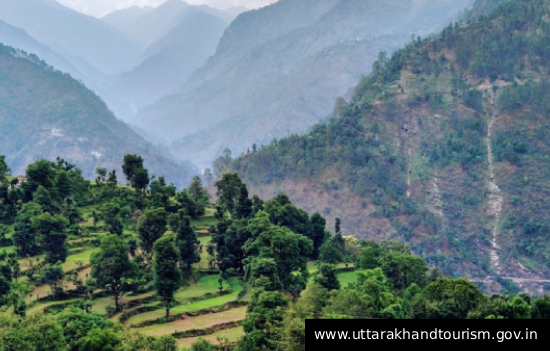 Landscape.
However, there is a lot to see in Guptkashi as well. Here is a curated list of temples and other
places of interest that you can explore irrespective of whether you are on a
Char Dham Yatra or simply planning a relaxed stay in Guptkashi.
1 Vishwanath Temple (Main Temple)
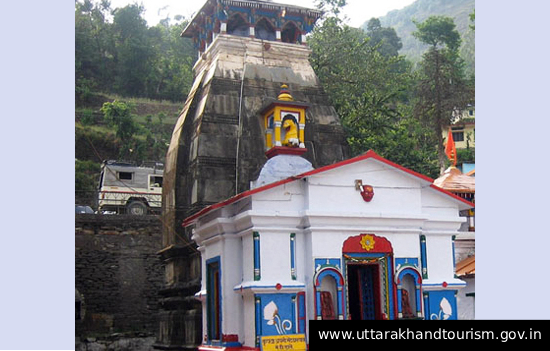
The most popular place in Guptkashi is the Vishwanath Temple. As the name suggests, the temple is dedicated to Lord Shiva, and a majority of travellers visiting Guptkashi—especially those on the Char Dham Yatra—make it a point to visit this sacred shrine.
According to local beliefs, the
temple is considered to be as ancient as the Char Dham sites themselves, adding
to its spiritual significance. The architecture reflects a traditional style
similar to prominent Himalayan temples, giving it a timeless and divine
presence.
Within the temple complex, you
will also find a sacred kund (Manikarnika Kund). Some devotees choose to take a
dip here before entering the temple, although it is optional.
2 Ardhanarishwar Temple
The Ardhanarishwar Temple is
dedicated to Ardhanarishwar, a unique form of Lord Shiva and Goddess Parvati
represented as half Shiva and half Parvati. Located very close to the
Vishwanath Temple, it beautifully reflects the philosophy of maintaining a
balance between masculine and feminine energies to achieve harmony in life and
society.
Compared to other temples, it is
not very crowded, which adds to its calm and peaceful atmosphere. Temples
dedicated to this specific form are also quite rare, making it a special place
to visit.
3 Narayan Koti Temple Group
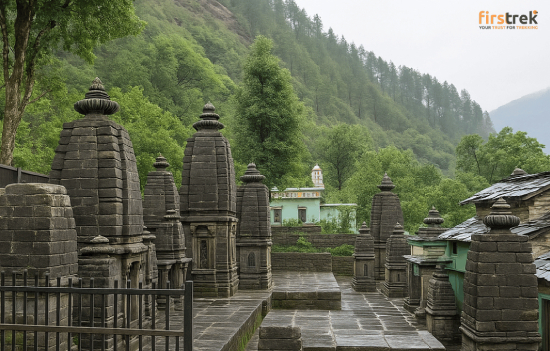
The Narayan Koti Temples are a group of 9 to 10 ancient temples located just outside Guptkashi, near the town’s border. They also lie along the route of the Kedarnath Yatra, making them a convenient stop for travellers.
These temples are dedicated to
Lord Vishnu (Shree Hari), along with a few other deities. The architecture
reflects a classic Himalayan style, rarely seen outside Uttarakhand and
Himachal, giving the site a very authentic feel.
The temples are believed to be
very old and their age is evident from their stone structures. Despite their
importance, they remain relatively lesser-known, making them a peaceful place
to visit.
Plus, if you are planning a
Yatra of Char Dham, then checkout this Package on Char Dham Yatra
from Haridwar, for details.
4 Kalimath Temple
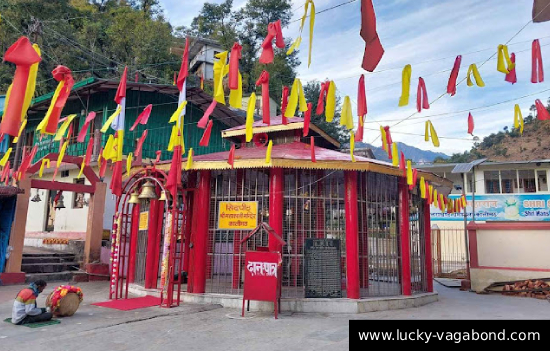
Kalimath Temple is located
around 20 km from Guptkashi and is dedicated to Maa Kali. According to local
beliefs, this is where Goddess Kali defeated the demon Raktabeej. It is said
that every drop of his blood created another demon, making him nearly impossible
to defeat.
Maa Kali overcame this by
destroying every drop of his blood, ultimately defeating him. Because of this,
the temple is considered one of the important Shakti Peeths and holds deep spiritual value.
To read more about temple
Surrounded by beautiful
Himalayan mountains and the Kali Ganga River, the temple offers a peaceful and
spiritually uplifting experience.
5 Ukhimath Temple
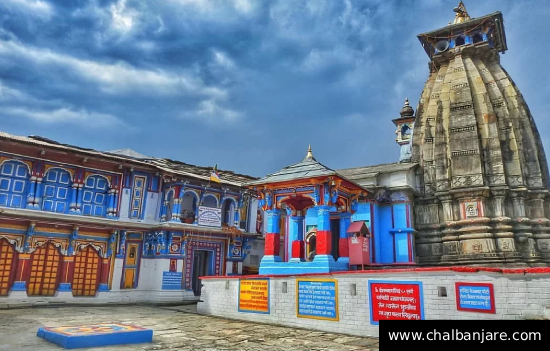
The Ukhimath Temple is one of
the key attractions near Guptkashi, as it serves as the winter seat of Kedarnath Temple. When the Kedarnath Yatra concludes, the murty of
Baba Kedarnath is brought down and enshrined here for worship.
The temple is dedicated to Lord Shiva in the form of Omkareshwar. The name comes from the sacred sound “Om,” considered the origin of all creation, combined with “Ishwar,” meaning God—symbolizing Shiva as the supreme cosmic energy.
Surrounded by Himalayan peaks
and a peaceful environment, Ukhimath offers a calm and fulfilling spiritual
experience, especially during winters.
6 Triyuginarayan Temple
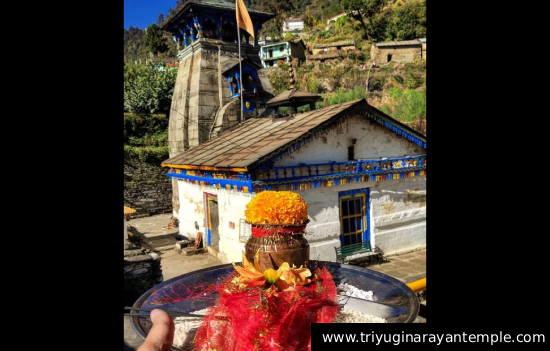
Triyuginarayan Temple is located
around 25 km from Guptkashi and is believed to be the sacred place where Lord
Shiva and Goddess Parvati were married.
One of its most unique features
is the eternal flame (Akhand Dhuni), believed to have been burning since their
divine marriage. Devotees still offer wood to this sacred fire, a rare ritual
in Sanatan temples.
The temple is built in traditional Himalayan style, and nearby are three sacred kunds—Rudra Kund, Vishnu Kund, and Brahma Kund—each with its own significance.
Because of its connection to the
divine wedding, the temple is also popular among
couples seeking blessings for a
happy married life.
Conclusion
Guptkashi is not just a stopover
for the Char Dham Yatra but a destination filled with spiritual depth and
peaceful Himalayan beauty.
Exploring these temples allows
you to experience both devotion and tranquillity, making your journey truly
meaningful.
Also read
1. Char Dham Yatra – A Seeker’s journey
2. Char Dham Yatra was Divine
This is a sponsored feature.